COVID-19 pandemic changes the outdoor physical activity preference in Chinese city: A 7-year GPS trajectory data analysis
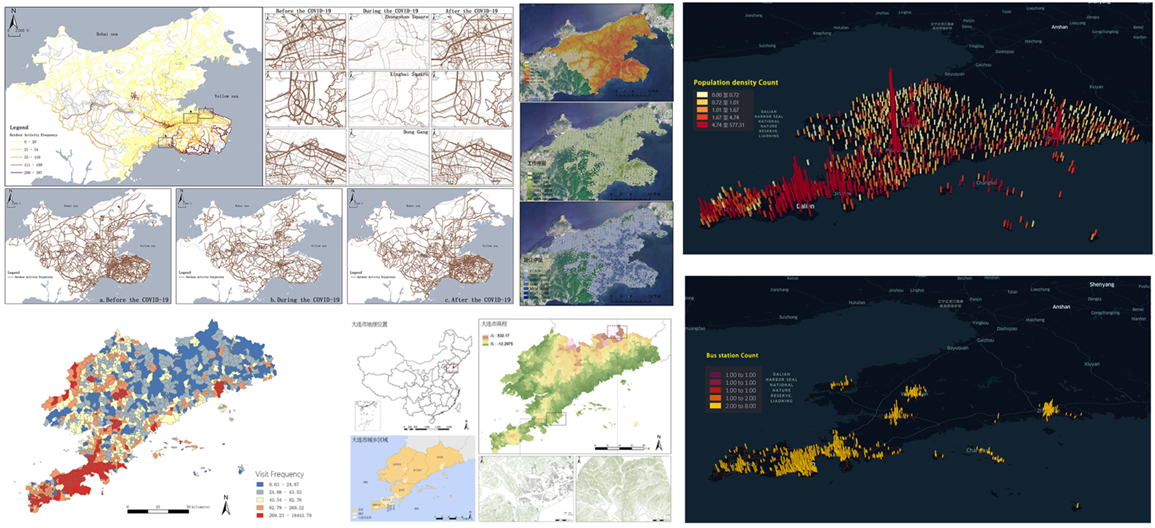
Existing knowledge is limited concerning changes in behavior and preferences for urban outdoor physical activities during the post-COVID-19 period, particularly in the long term before and after COVID-19. In this study, we collected GPS-based trajectory data from social media platforms prior to, during, and following COVID-19 lockdowns (2017–2019, 2020–2022, and after 2023). We utilized multi-source data, multi-level models, interrupted time series models, and seasonal prediction models to analyze changes in Chinese urban residents' preferences for outdoor physical activities and the environment. The study revealed that residents' activity preferences decreased each year during the COVID-19 lockdown policy but increased immediately following the lifting of restrictions, with activity levels significantly exceeding pre-pandemic averages. The study highlights that while safety was the primary concern during the pandemic, preferences shifted towards low-density areas, well-developed urban infrastructures, accessible green spaces, and ocean views in the post-pandemic period. These findings provide valuable insights for urban design aimed at enhancing physical activity and well-being in outdoor settings.